Two sales leaders started out looking almost identical on paper.
Both were ambitious. Both were sharp. Both led capable teams inside growing companies. Both wanted the same thing: better execution, stronger pipelines, and a sales culture that could scale without constant firefighting.
A few years later, their paths looked very different.
One leader was stuck managing a defensive, stagnant team. Reps avoided hard conversations, coaching sessions felt tense, and even small corrections turned into emotional friction. Activity was happening, but progress was slow. Trust was thin. Performance kept hitting the same ceiling.
The other leader was running a team that was sharp, loyal, and getting better quarter after quarter. Reps took coaching seriously. They recovered faster from mistakes. They pushed for higher standards without shutting down. The culture felt demanding, but not draining.
That’s where cultures are quietly built or broken. In the seconds after a bad call review. In the tone you use after a missed number. In the way you challenge someone without cornering them. Feedback is never just information. It’s a signal. It tells your team whether coaching is a tool for growth or a threat to survival.
Get that moment wrong, and you create the Feedback Trap: a hidden "demoralization tax" that slows learning, weakens trust, and turns coaching into a sales execution bottleneck. Get it right, and feedback becomes a performance lever that lifts confidence, ownership, and results.
According to McKinsey, sales leaders who effectively target specific skills and enforce their use through high-quality coaching can raise rep productivity by 25% within 18 months. We see the same pattern at thynkWISE during our Inside Sales Excellence audits. Companies can invest heavily in Apollo.io, Salesforce, and process design, but if the feedback loop is broken, the human engine still misfires.
Feedback: The Psychological Moment of Truth
Feedback is not a logical transaction; it is a psychological moment of truth. Handled poorly, it breaks the "social contract" between leader and rep. Handled well, it becomes a strategic lever for exponential growth.
Most leaders hold back from giving real, raw feedback because they don't want to deal with the emotional fallout. But "nice" feedback is often just as damaging as "harsh" feedback because it lacks the clarity needed for change.
To stop the cycle of defensiveness and start driving revenue, you must master the 5 Mechanics of High-Impact Feedback.
1. Control the Emotional Field Before You Speak

The Problem: Most feedback is felt before it is heard. If you approach a rep while you are frustrated, disappointed, or anxious about a missed forecast, your nervous system signals "threat" to theirs.
The Solution: Before the meeting even begins, you must neutralize your own internal state. If a rep senses judgment, their brain's amygdala triggers a "fight-or-flight" response. In this state, the prefrontal cortex: the part of the brain responsible for problem-solving and learning: essentially shuts down.
- Ditch the frustration: Ground yourself. Settle your tone.
- Approach as a partner: View the conversation not as a "correction," but as a tactical debrief between two teammates.
- The Impact: People rise under calm leadership. They crumble under anxious correction. When you control the field, you create a "safe container" where the rep can actually listen to the data you’re providing.
2. Start With a Frame That Protects Their Identity
The Problem: Feedback often feels like an indictment of character. When a leader says, "You aren't being aggressive enough," the rep hears, "You are a weak person." This collapses their "identity shield," and they immediately start building a case for why you are wrong.
The Solution: Use a Growth Frame. The frame you set determines whether the feedback is heard as a flaw in who they are or a simple adjustment to what they do.
- Stop the character attacks: Avoid "you are" statements.
- Use identity-safe language: Try, "I see a lot of capability in how you handle objections, and I want to help you get even stronger at the closing sequence."
- The Impact: By signaling that you respect their potential, you keep their mind open. When their identity is safe, they don't need to defend it; they can focus on the performance gap instead.
3. Isolate the Behavior, Not the Person
The Problem: General feedback is useless. Saying "the call was messy" gives the rep nothing to change and everything to feel bad about. It creates a "Frankenstein feedback" effect: disjointed pieces of criticism that don't lead to a cohesive improvement.
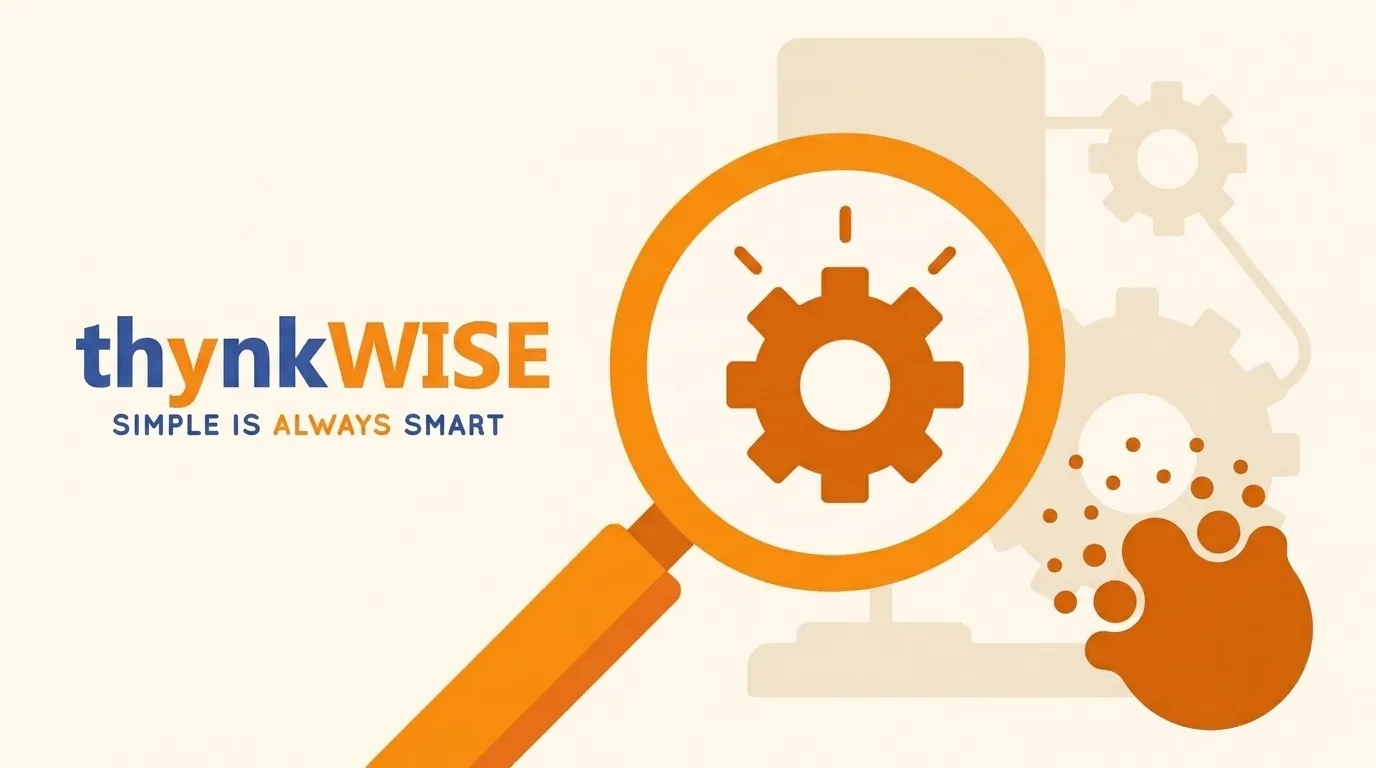
The Solution: Use a magnifying glass to isolate the specific behavior. This is what we call "surgical coaching."
- Instead of "You're not clear": Try, "When the explanation of the ROI model exceeds three minutes, the prospect starts losing the thread. Let's tighten that section."
- Instead of "You didn't prepare": Try, "Let's refine the pre-call research process so you can walk into these enterprise meetings with more confidence."
- Instead of "You're being too aggressive": Try, "Notice how the prospect braced when you mentioned the contract timeline. Let's test a softer tone there to keep them leaning in."
- The Impact: Behavioral feedback is directional, not personal. It provides a clear "lever" for the rep to pull, turning a vague sense of failure into a specific technical adjustment.
4. Transfer Ownership With Empowering Questions
The Problem: Many managers suffer from "Fixer Syndrome." They do all the talking, provide all the solutions, and then wonder why the rep repeats the same mistake next week. If the rep doesn't "own" the solution, they won't execute it when you aren't looking.
The Solution: Shift from telling to asking. Research from Gong.io shows that in high-performing sales coaching sessions, the "talk-to-listen" ratio mirrors successful sales calls: the rep should be doing a significant portion of the talking.
- Ask for their perspective: "How do you think that discovery sequence landed?"
- Ask for the solution: "What part of the process do you want to refine first to make this smoother for you?"
- The Impact: When a rep articulates the solution themselves, it feels like self-leadership. They are no longer being "corrected" by a boss; they are being "consulted" by a mentor. This ownership is the difference between a compliant employee and a high-performance athlete.
5. End by Elevating Their Future Identity

The Problem: Most feedback sessions end on a "down note." The rep leaves the office feeling smaller than when they walked in. This lingering "emotional hangover" kills their energy for the next dial.
The Solution: Connect the current adjustment to their future trajectory. Close the loop by affirming who they are becoming.
- The Anchor: "I appreciate how you handle these tough conversations. That's exactly why you’re going to keep rising in this organization."
- The Vision: "You’re already in the top 20% for activity: these tactical adjustments are what will put you into the elite tier for revenue."
- The Impact: This transforms the conversation from a post-mortem on a failure into a roadmap for a "future self." You aren't just fixing a report; you are building a leader.
The Real-World Example: The "Sloppy" Report
Let’s look at how these mechanics work in a common scenario. A team member hands in a rushed, incomplete pipeline report that you need for a board meeting.
The Amateur Approach:
"This isn't good enough. It's sloppy and incomplete. I need this fixed by EOD or we're going to have a problem."
- Result: Shame, defensiveness, and fear. The rep "fixes" it, but they resent you for it.
The thynkWISE Approach:
- Enter with calm energy: (Control the field).
- Ask for context: "Walk me through your thought process on this report." (Ownership).
- Frame the upgrade: "You’re capable of much stronger work than this. I want the board to see the same level of detail I see from you in client meetings." (Identity protection).
- Isolate the behavior: "The data structure jumps around in the mid-funnel section. If we anchor it in one clear narrative, your insights will land more powerfully." (Behavioral isolation).
- Ownership question: "How do you want to organize the revision to ensure it hits that standard?"
- Elevate identity: "I'm pushing you on this because you're becoming the go-to person for our mid-market strategy."
And about those two leaders I mentioned in the beginning, what changed?.......
It wasn’t intelligence. It wasn’t ambition. And it wasn’t a greater desire for success.
It was how each leader handled the moment of truth: feedback.
Feedback shouldn't demoralize: it should develop. When you operationalize your feedback loop using these five mechanics, you stop being a "manager of activity" and start being a "driver of outcomes." You build a culture of high performance where feedback is seen as a gift, not a threat.
At thynkWISE, we specialize in bridging the gap between CRM investment and actual sales value. Whether you’re trying to optimize your Apollo.io implementation or transform your Inside Sales team into a high-output engine, the "human software" is just as important as the digital one.
Is your sales execution hitting a wall?
Stop guessing and start growing. We help tech companies double their revenue by transforming their sales platforms: and their people: into powerful engines for growth.
Book your No-Fluff Sales Execution Audit with thynkWISE today. Let’s identify the bottlenecks in your system and turn your CRM into the wealth-builder it was meant to be.